Common Wine Storage Mistakes That Ruin Your Bottles
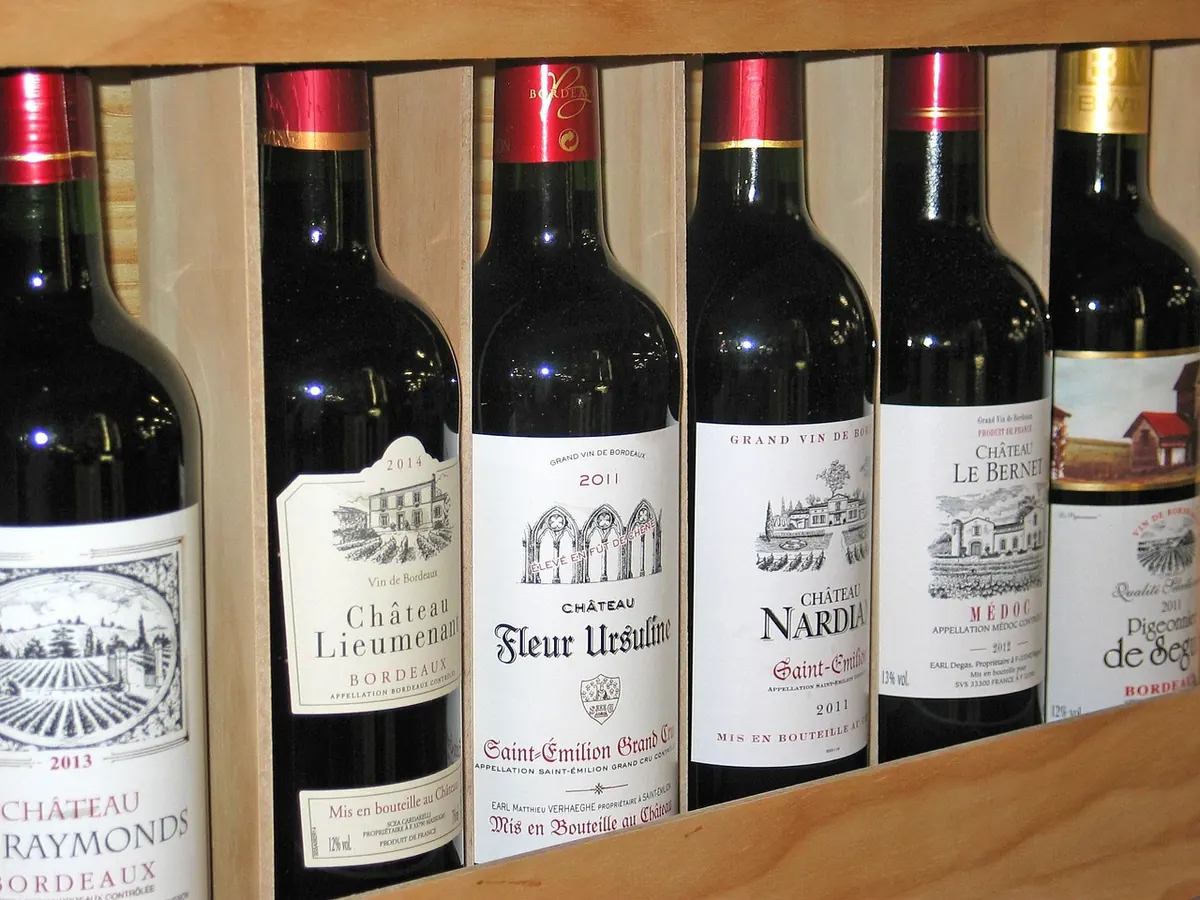
There is a particular kind of disappointment that comes with opening a bottle you have been saving for a birthday or a long Sunday lunch, only to find it tastes flat, tired or faintly of sherry. Usually the wine was fine when you bought it. The damage happened at home.
Most wine is not ruined by one dramatic accident. It goes slowly, through small and ordinary mistakes: the bottle left on a sunny windowsill, the case stacked in a garage that swings from freezing to stifling, the rack sitting above a fridge that hums all day. Here are the errors we see most often, and what to do instead.
Heat Will Ruin Wine Faster Than Anything Else
Warmth speeds up every chemical reaction in a bottle, which means a wine kept at 24°C ages far quicker than the same wine kept at 12°C. Open it a year or two later and it can taste stewed, flat and dull, with the fruit fading long before the structure does.
Aim for a steady 10–15°C for anything you plan to keep. If you cannot manage that, remember a stable, slightly warm spot beats a cool one that swings about. The kitchen is the worst room in the house for wine: ovens, dishwashers, radiators and the hot air around the fridge all push the temperature up and down. The cupboard above the fridge, the rack beside the boiler and the shelf over the microwave are classic mistakes. A wardrobe in a cool spare room beats all three.
Temperature Swings Matter as Much as the Number
A cellar sits at a near-constant 12–14°C all year, and that constancy is half the point. When a bottle warms, the liquid expands and pushes against the cork; when it cools, it contracts. Do that often enough and the seal weakens, air creeps in, and the wine oxidises.
Garages, sheds, lofts, conservatories and airing cupboards are the usual offenders, along with the top of a fridge and any spot beside a radiator on a timer. Find the most boring place in your home — an internal cupboard, the space under the stairs away from pipes, the bottom of a dark wardrobe — and put a cheap thermometer there. Check it in January and again in July. If the reading moves more than a few degrees across the year, keep looking.
Light Ages Wine Faster Than You Think
Ultraviolet light breaks down the compounds in wine, and clear glass offers almost no protection. Bright artificial light does damage over months and years too, and it fades labels while it is at it. This is why Champagne and pale rosé in clear bottles are the worst candidates for a pretty open rack in a bright kitchen.
Keep bottles in their original cardboard cases, in a closed cupboard, or in a wine fridge with a solid door. If you want a display rack, put it somewhere without direct sun and rotate the bottles rather than leaving the same ones on show for years. A bottle out for an evening is harmless. A bottle on a sunny shelf for two summers is not.
Vibration: The Mistake Nobody Notices
Wine is not supposed to be in constant motion. Vibration keeps sediment suspended, disturbs the slow settling that older reds need, and over time can chip away at the aromatics.
Washing machines, tumble dryers, dishwashers and fridge compressors are the usual sources, along with floorboards above a busy hallway and shelves fixed to a shared wall. If your rack rattles when the spin cycle starts, move it. A quiet corner of a quiet room is worth more than a smart rack in the wrong place. Once bottles have settled, leave them alone; constant rearranging and browsing does more harm than good.
Corks, Humidity and Lying Bottles Down
A natural cork needs moisture to stay supple and seal properly. Leave a bottle standing upright for years in a dry room and the cork can dry out, shrink slightly and let air in. That is why cork-sealed bottles should be stored lying down, so the wine stays in contact with the cork. Bottles under screwcap, glass stopper or crown cap can stand up quite happily — there is no cork to keep damp.
Humidity: aim for the middle
Around 50–70% relative humidity is comfortable. Very dry air dries corks; very damp air ruins labels and encourages mould on cardboard cases and wooden racks. If your storage space feels like a desert in winter, a shallow tray of water nearby can help. If it feels like a bathroom, find somewhere else, or at least keep bottles in sealed crates.
Smells travel through cork
Corks are porous, and a bottle stored next to paint, white spirit, a petrol can, onions or strong cleaning products can pick up those aromas over a long period. Keep wine away from anything you would not want to taste.
A note on the kitchen fridge
Fine for a week before a dinner, less good as a home. A domestic fridge is cold, dry, vibrating and full of food smells, and the door opens constantly. It will not destroy a bottle in a fortnight, but it is not storage.
A Quick Checklist for Any Storage Space
Run through this wherever your bottles currently live:
- Cool and steady — somewhere between 10 and 15°C if you can manage it
- Dark, or tucked inside a cupboard, box or original case
- Quiet, away from appliances and shared walls
- Cork-sealed bottles lying down, screwcaps standing up
- Off the floor if the room is damp, and clear of pipes and radiators
- Nothing nearby that smells strongly
- Older bottles at the front, so you drink those first
That last point matters more than people expect. A modest stash you actually drink through is a better investment than a perfect collection you never touch.
Getting It Right Without a Cellar
You do not need a vaulted underground room to look after wine. Most of us need one decent spot: cool, dark, still and out of the way. A wine fridge earns its place if you are building a collection you intend to keep for several years, and the useful ones hold a steady temperature, have a solid door and run quietly. For a couple of cases, a dark cupboard in the coolest room of the house does the job perfectly well.
Buy a thermometer, move your rack out of the kitchen, and lay the corks down. Those three changes will save more bottles than any amount of expensive equipment.
Photo: KRiemer / Pixabay