How to Host a Wine Tasting at Home: Checklist and Themes
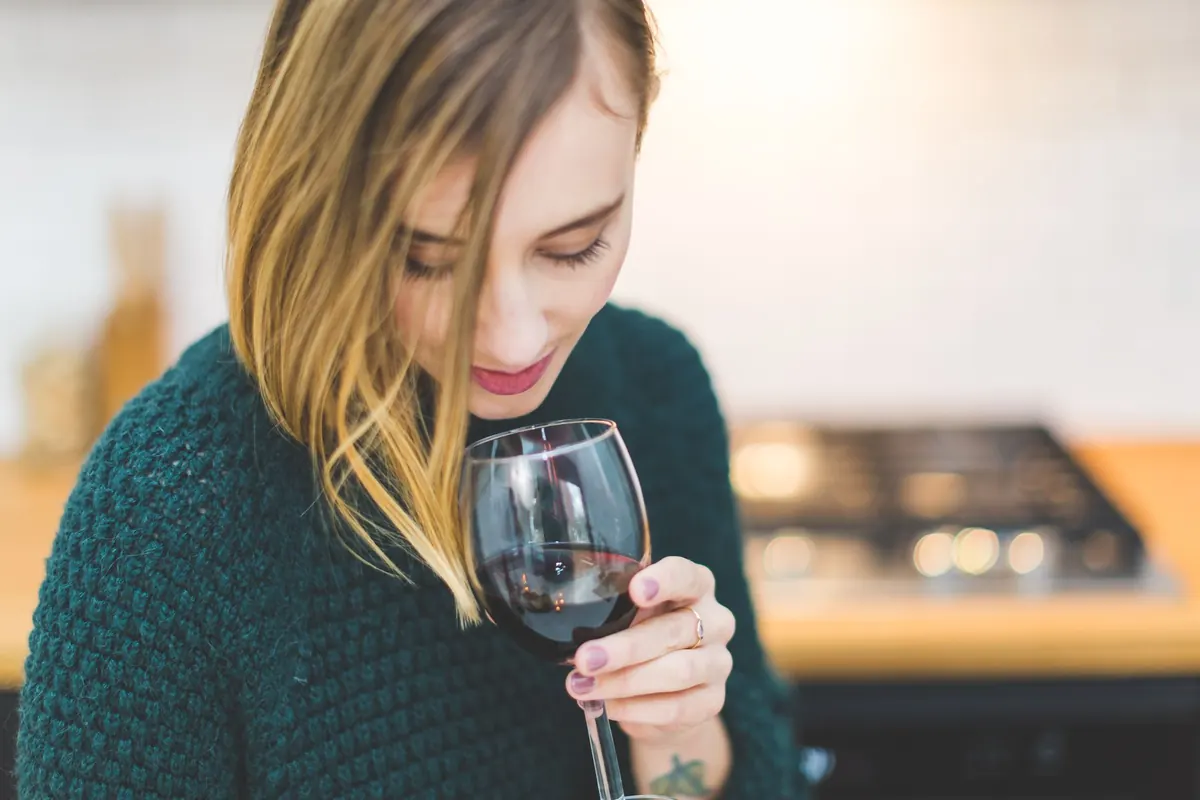
A wine tasting at home works on the same principle as a good dinner party: you do the thinking beforehand so nobody has to do any on the night. Six bottles, a stack of glasses and a bowl for spitting will carry you a long way. What turns a pleasant evening into one people actually learn from is structure — a theme that gives the wines something to say to each other, and a running order that keeps the conversation from drifting towards work and house prices.
No cellar required, no certificate, no decanter worth more than the wine inside it. You need a plan, a pen each, and the discipline to pour small.
Choose a theme before you choose the wine
A theme isn't decoration. It's the reason the comparisons mean anything. Six random bottles make for a nice drink; six bottles that share a thread make for a tasting, because each glass tells you something about the one before it.
Themes that work well in a living room
- One grape, several places. Sauvignon Blanc from Sancerre, Marlborough, Casablanca and the Western Cape is a lesson in how climate and winemaking pull a variety in different directions.
- One place, several grapes. The reds of the Rhône — Syrah, Grenache, Mourvèdre, Cinsault — show how blending changes everything.
- Pinot Noir across the map. Burgundy, Oregon, Central Otago, Tasmania. Expensive, so ask everyone to bring one bottle.
- The same grape at three price points. Taste blind and see who can spot the dearest. You will be humbled, and so will they.
- Two vintages of one wine. Buy both from an independent merchant and taste what a year of weather does.
- A curiosity night. Orange wines, volcanic soils, fortified styles — anything where the story is as interesting as the liquid.
Six to eight wines is the sweet spot. After the sixth, palates are tired, notes get vague and everyone starts agreeing with whoever spoke first.
The planning checklist
Work backwards from the date. This is the order that keeps the week calm.
- Two weeks out: fix the theme, fix the number of wines, and decide whether guests bring a bottle to the brief or you supply the lot and they bring food.
- One week out: buy or collect the wines. Confirm how many glasses you can actually lay your hands on, and count them honestly.
- A few days before: print score sheets, chill the whites, find the corkscrew and check the bin is empty.
- On the day: set the table with water, plain bread, a jug, paper towels and a bucket. Put a pen at every place setting.
- Just before guests arrive: number the bottles, cover the labels with foil, paper bags or a clean sock, and set them in serving order.
Blind tasting is the single biggest upgrade you can make. Labels do most of the talking otherwise, and expensive bottles are forgiven far too easily.
Glassware, spittoons and the rest of the kit
You want a plain, tulip-shaped glass with a stem, all matching if possible. Tumblers have nowhere for the aroma to gather, and enormous Burgundy balloons flatter some wines and swamp others. If your cupboard won't stretch, ask each guest to bring two glasses of their own. Two per person works well: one in use, one resting, which avoids rinsing between wines and diluting what comes next.
Spitting is normal at a tasting and no one should feel awkward about it. Opaque plastic cups, one per person, or a communal bucket lined with a bag in the middle of the table. A coffee cup does the job. Never tip a spittoon back into a bottle, obviously, and keep a separate jug for anything faulty.
Add a large jug of water, a plate of plain crackers or white bread, and a notepad. That's the full kit list.
Score sheets and running the tasting
Keep the sheet simple. A column for the wine number, then appearance, nose, palate, finish, overall, and a box for "would I buy this again". A five-point scale for each category is plenty; a 20-point scale makes people competitive.
Pour a small measure — a couple of mouthfuls, no more. Larger pours go warm in the glass and people stop spitting because they feel wasteful. Serve sparkling first if you have it, then dry whites from light to rich, then reds from lighter to fuller, then sweet wines, then fortified. Give each wine about five minutes: thirty seconds of quiet for notes, then discussion. Reveal the labels only after everyone has scored.
Someone has to keep time and someone has to keep water moving round the table. Volunteer for one and delegate the other.
What to eat, and what not to
Food is there to reset your palate, not to compete with it. Plain bread, unsalted crackers, a mild hard cheese, a few olives. Anything assertive — blue cheese, chilli, vinegar-based dressings, smoked fish, garlic — flattens wine and makes every bottle taste the same.
Nuts and crisps are the classic mistake. Salt and fat leave you thirsty and make lean wines taste thin. If you want a proper meal, taste first and eat afterwards. If you must eat during, keep it plain and bland.
Keeping the evening on track
Two hours of tasting is plenty; three is generous. Announce the finish time when you start, and pace the pours so you don't run out of steam before the last wine. Water between every glass, and make sure everyone has a sensible way home — arrange drivers or taxis in advance rather than leaving it to chance.
Finish with a round of the table: everyone names their favourite of the night and the one bottle they'd buy. It gives the evening a proper ending and forces people to commit to an opinion, which is half the point of tasting blind in the first place. Keep the score sheets afterwards. A year from now, your own handwriting will tell you more about what you actually like than any shelf talker in a shop.
Photo: Burst / Pexels