Organic, Biodynamic and Natural Wine: What Do They Mean?
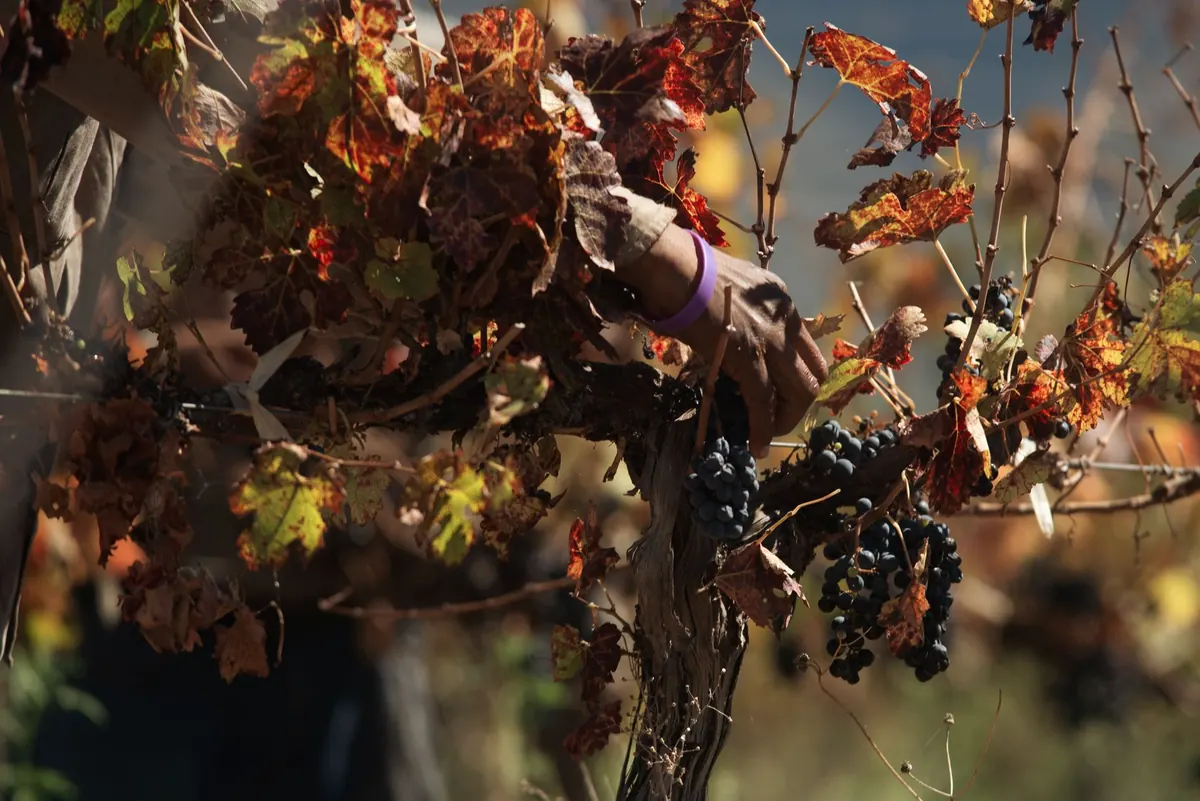
Three bottles, same grape, same region, three labels: organic, biodynamic, natural. The prices climb as you read across the shelf, which suggests a hierarchy — conventional at the bottom, purity at the top. That is not quite how it works. Each term is defined differently, enforced differently (or barely enforced at all) and tells you something different about what is in the bottle. Here is what each one actually means before you spend your money.
Organic wine: clear rules, inside and out
Organic is the most straightforward of the three. The vineyard is farmed without synthetic herbicides, pesticides and fertilisers. Growers rely instead on compost, cover crops, mechanical weeding and a short list of permitted inputs, including copper and sulphur in limited amounts. Certification bodies inspect annually, and a farm usually has to work organically for a conversion period — commonly around three years — before it can be certified.
The cellar counts too. In the UK and EU, wine sold as organic must follow specific winemaking rules, not just come from organic grapes: lower maximum sulphite levels than conventional wine allows, and restrictions on certain additives. This is where labels get slippery. In some countries, “made with organic grapes” is a separate, weaker claim from “organic wine”. If it matters to you, look for the certification body's logo and code on the back label rather than trusting a front-label word.
What organic does not mean
- It does not mean sulphite-free. Small additions are allowed, and fermentation creates sulphites naturally.
- It does not mean the wine was made without intervention. Fining, filtration, cultured yeast and oak are all permitted.
- It does not guarantee a better wine. A lazy organic grower still makes dull wine.
- It says nothing about alcohol content or calories.
Biodynamic: organic plus a philosophy
Biodynamics comes from a set of lectures given by Rudolf Steiner in 1924 and treats the farm as a single living organism. As a baseline, it is organic. On top of that, growers use a series of preparations — numbered from 500 upwards — made from materials such as cow horn manure, silica and various herbs, applied to soil and vines at set times. Many also time pruning, picking and bottling to lunar and planetary calendars.
Demeter is the best-known certifier, with Biodyvin used by some producers, particularly in France. Plenty of scientists are sceptical about the more esoteric parts, and you should be too. But the practical side — composting, diverse cover crops, animals on the farm, low yields, meticulous hand work — is simply good viticulture, and it shows in the fruit. Whether the calendar makes a measurable difference is a question you can only answer by tasting.
Natural wine: no legal definition
Natural wine has no legal status in the UK or the EU. It is a movement, not a category, and the term is used loosely. The general idea: hand-picked organic or biodynamic fruit, fermentation with native yeasts, nothing added and nothing removed, and little or no sulphur at bottling. France's “vin méthode nature” charter gives producers a shared standard, but shops and importers use the phrase as they see fit.
Useful words to know: “zero-zero” means nothing added at any stage; “sans soufre” means no added sulphur; “pét-nat” is a rustic sparkling style often made this way. Expect less polish and more variation. A natural white can be cloudy, gently fizzy or faintly appley; a natural red can be bright and juicy or wild and volatile. Some are thrilling. Some are faulty. That freedom cuts both ways.
The three, side by side
- Organic — legally defined, certified, covers both vineyard and cellar, lower sulphite limits, usually a modest price premium.
- Biodynamic — organic plus preparations and a calendar, certified by bodies such as Demeter, small price premium on top of organic.
- Natural — no legal definition, low-intervention winemaking, minimal or no added sulphur, prices driven by scarcity, fashion and small-scale production.
Does it change the taste?
Less than the marketing claims, more than nothing. Farming shapes grape quality: healthier soils and lower yields tend to give fruit that tastes more clearly of where it came from. But a careful conventional grower can beat a careless organic one any day of the week, so treat the label as a clue rather than a verdict.
Winemaking changes flavour more visibly. Native yeast ferments can be slower and wilder, giving more texture and aroma but also more risk. With little or no sulphur, wines are more fragile, prone to oxidation and to a mousy, flat finish in the wrong hands. Practical fixes: serve natural whites colder than you normally would, decant reductive wines for twenty minutes, and never leave an open bottle of low-sulphur red on the counter for three days expecting it to hold.
Why you pay more
Certification costs money: inspections, paperwork, record-keeping. Organic and biodynamic farming often means lower yields and more passes through the vineyard by hand, so each hectare produces less wine that costs more to make. Natural wine adds a fragile supply chain of small growers, specialist importers and independent shops. Fashion plays a part too, and so does risk — producers who bottle with almost no sulphur know some bottles will disappoint, and price accordingly.
None of this guarantees quality. A cheap organic wine from a good co-operative can be excellent value, and an expensive natural bottle can be a disappointment. Buy from a merchant who tastes the wines and will describe them honestly rather than one who simply sorts by category.
How to choose well
Start by deciding what you actually want. If you want to support farming that avoids synthetic chemicals, buy certified organic or biodynamic and check the back label for the certifier. If you want the livelier, less polished style, explore natural wine, but buy in singles at first and try before you commit to a case.
- Read past the front label and look for a certification logo, code or the producer's own notes on sulphur.
- Taste side by side: the same grape and region from an organic and a conventional producer. It is the fastest way to learn what farming does and does not change.
- Ask the shop what the wine is like young and how long it will keep once opened.
- Serve it as the producer intended — a light chill on reds, a proper chill on natural whites.
- Keep expectations honest. These labels describe how grapes were grown and wine was made. They say nothing about flavour, and nothing about how much alcohol you are drinking.
One final note: none of these categories makes wine a health product. Organic wine is still alcohol, and official guidance on drinking applies to it just as much as to anything else on the shelf.
Photo: Gonzalo Acuña / Pexels